Fiber Deep-Dive: What Modern Hotels Should Consider
Fibers are the heart of towel experience. They govern softness, absorbency, heat tolerance during laundering, and the overall guest impression. Here are the leading fibers and how they perform in hospitality settings:
Organic Cotton
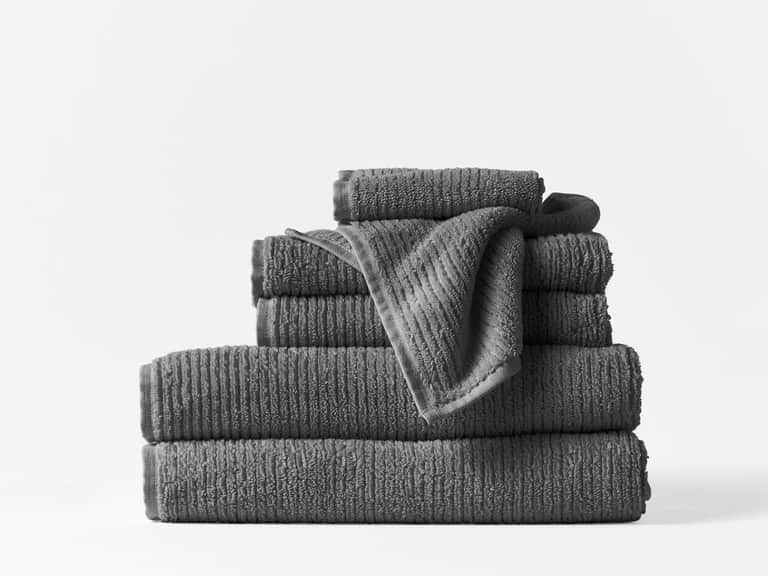
Organic cotton is grown without synthetic pesticides and with certified organic farming practices. In towels, organic cotton often uses long-staple fibers that deliver a plush hand, improved breathability, and strong color retention. For hotels, organic cotton towels commonly come in weights ranging from 550 to 700 GSM, offering a balance of absorbency and quick-dry performance when processed with efficient laundering cycles.
Turkish Cotton (Grown and Woven in Turkey)
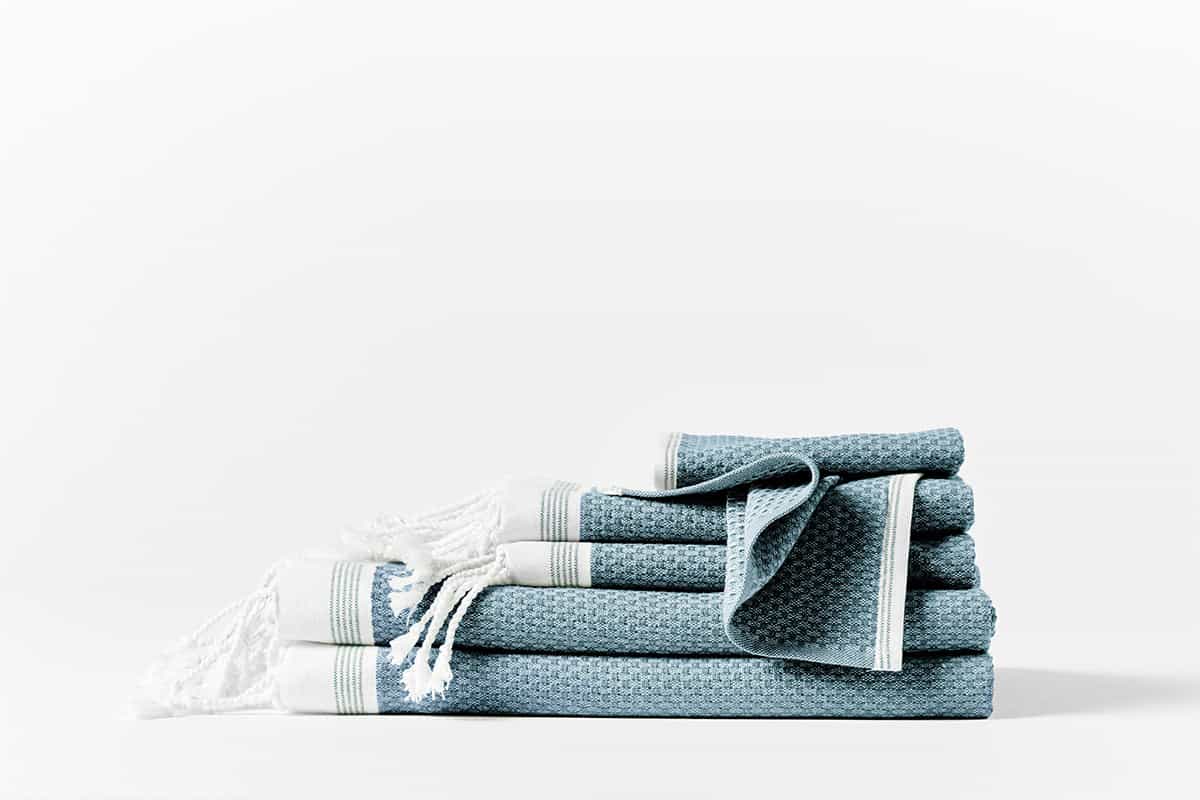
Turkish cotton is renowned for long-staple fibers, which translate to a softer hand and higher absorbency. Turkish towels frequently appear in flat-weave or textured weaves that dry faster and resist pilling. When sourced as organic Turkish cotton, these towels combine ecological benefit with premium feel, aligning well with boutique and mid-market properties that want comfort with a lighter environmental footprint.
Lyocell Blends (e.g., Tecnic-style 60/40 Cotton-Lyocell)
Lyocell brings a silky hand, bright luster, and excellent moisture management. In towel blends like 60% cotton / 40% Lyocell, you gain enhanced softness and a smoother look, while the Lycocell component improves drape and quick drying. Tecnic-style towels demonstrate how sustainability and luxury can converge, offering a lightweight feel with durable performance under repeated laundering. These blends are often pre-washed and pre-shrunk to preserve shape and color through guest-use cycles.
Bamboo and Microfiber Blends
Bamboo fibers can offer good moisture management and a naturally soft hand. Microfiber blends add high absorbency and quick-dry properties, though some guests perceive a lighter, less plush feel compared with cotton. In hospitality, blends are chosen to balance affordability, performance, and guest perception—often within mid-tier properties seeking efficient turnover without sacrificing comfort.
Certification and Sourcing: What to Look For
Certifications matter because they verify that what you’re sourcing aligns with standards for safety, sustainability, and ethical production. Here are the most impactful credentials and what they mean for hotel procurement:
- GOTS (Global Organic Textile Standard): The gold standard for organic textiles. It covers fiber cultivation, processing, manufacturing, packaging, labeling, and distribution. A GOTS certificate gives hotels confidence in fiber purity, chemical safety, and overall environmental responsibility.
- Made Safe Certified: Focused on child-safe and toxin-free materials, this certification assures a high standard of chemical safety across the product lifecycle.
- Fair Trade: Emphasizes fair wages, safe working conditions, and community development in production regions. It complements environmental certifications by addressing social impacts.
- GOTS + Fair Trade: A powerful combination that signals both ecological integrity and social responsibility.
Regional considerations matter too. Turkish cotton, for instance, benefits from established supply chains and a reputation for luxury hand feel, but hotels should consider the factory’s compliance with environmental and labor standards, as well as the consistency of supply. European linen blends offer a different tactile experience and care profile, while Asian mills, such as those producing long-staple cotton, can provide competitive pricing and breadth of color options. The key is to align fiber choice with your property’s guest expectations and your laundering capabilities.
Care, Durability, and Cost of Ownership
Guest satisfaction hinges on towels that arrive soft and absorbent, and stay that way through dozens of wash cycles. The right towel should balance initial plushness with durability, minimizing pilling and color fading. Here are practical care considerations to optimize performance and lifecycle value:
- Follow label care instructions precisely to preserve fiber integrity (e.g., recommended water temperature and drying guidelines).
- Avoid fabric softeners, which can reduce absorbency over time, especially in cotton towels.
- Use appropriate wash loads and detergent formulations to prevent fiber breakage and color migration.
- Consider a color management plan to minimize fading in high-traffic towels (e.g., use colors that retain dye well or rotate color palettes strategically).
From a cost-of-ownership perspective, organic cotton towels can offer long-term value through durability and guest satisfaction, reducing replacement frequency. Engineered blends like cotton-Lyocell can improve drying time after laundering and help staff meet tight turnover windows in busy properties. When negotiating with suppliers, request samples and conduct a small-scale trial in one or two properties to evaluate real-world performance before committing to a broad roll-out.
Guest Experience: Three Notable Voices Across Time
Incorporating perspectives from different eras helps illuminate how towel culture evolved—from artisanal craft to modern mass customization. Here are three influential figures who, in different times, shaped our understanding of textile luxury, care, and hospitality.
1) Marie-Antoinette and the Rise of Lavish Linen (18th Century)
In an era when courtly life set the standard for taste, linen and towels were symbols of refinement. The aristocracy’s emphasis on meticulous laundering and pristine presentation laid the groundwork for modern hospitality linen standards—where appearance and guest perception begin with the simple sight and touch of a well-cared towel.
2) Thomas J. Whitmore, Pioneering Textile Stewardship (19th–20th Century)
Whitmore’s era brought mechanized washing and standardized textile care, shaping how hotels approached uniformity, consistency, and maintenance cycles. His philosophy—tostay mindful of the lifecycle of fibers and finishes—influenced how hotels planned towel purchases, rotations, and service standards that endure across generations.
3) Modern Sustainability Leaders: GOTS and Modern Textile Innovators (21st Century)
Today’s sustainability advocates—certification bodies, mill innovators, and hotel sustainability teams—prioritize safe, ethical fiber sourcing and transparent supply chains. The dialogue centers on guest comfort, operational efficiency, and environmental impact, shaping a new standard for what guests expect from organic towels in a responsible hospitality program.
Product Spotlight: Graccioza Tecnic Towels
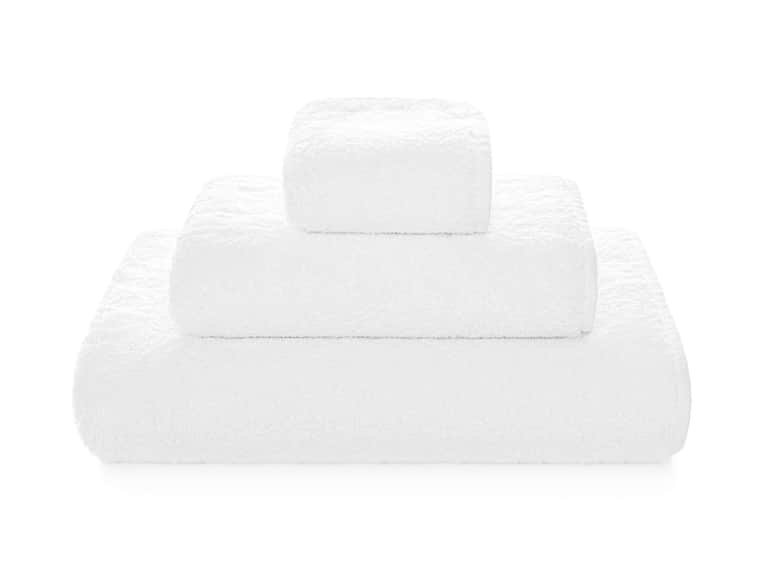
A standout in modern luxury, the Graccioza Tecnic Towel blends 60% cotton with 40% Lyocell for a luminous, medium-to-dense 800 GSM pile. Crafted in Portugal with pre-washed precision, Tecnic offers exceptional absorbency and a silky hand while maintaining robust durability through frequent laundering.
Key specs: 12x12 cm washcloth, 12x20 cm guest towel, 18x30 cm hand towel, 28x55 cm bath towel, 38x59 cm bath sheet. A sophisticated choice for guests who value both tactile opulence and practical care. Image glimpses reveal the towel’s luminous sheen and plush density.
For hoteliers seeking a balanced approach between opulence and practicality, Tecnic embodies a path where luxury textiles meet responsible production. It serves as a reference point for considering fiber blends, colorfast finishes, and maintenance routines that preserve performance across a hotel’s guest cycle.
Regional Spotlight: Turkish Supima and GOTS-Certified Sets
The Turkish textile ecosystem offers a compelling combination of climate-appropriate cotton, robust weaving tech, and supply chain maturity. Turkish Supima and other long-staple cotton varieties deliver a soft, durable hand that remains resilient after repeated washings. When paired with GOTS certification, Turkish towel programs gain a strong foundation of organic farming, process integrity, and social responsibility—key factors for hospitality operators aiming to craft a sustainable guest experience without sacrificing the plushness guests expect.
In practice, a hospitality program might deploy a tiered towel strategy: premium guestrooms receive GOTS-certified Turkish organic towels with higher GSM values for a memorable first impression, while mid-range rooms use equally durable, certified options that optimize cost of ownership. The overarching aim is to maintain guest comfort across the property while reinforcing a coherent sustainability narrative in every bathroom experience.