Kitchen Accessories · Textile Care
Kitchen Textiles Under Pressure: Choosing Accessories for Heat, Spills, and Frequent Washing
In a busy kitchen, textiles are always in the thick of it. They catch splashes, dry hands, steady warm cookware and go through the wash again and again. Choosing the right material and construction can make those everyday jobs safer, cleaner and easier—without asking a hardworking towel or cloth to do a task it was never designed for.
Published October 24, 2026
A kitchen textile may look like a small detail, but it can have a starring role in the daily rhythm of a home or professional workspace. A dish towel is grabbed mid-recipe. A cloth is called into action when a pot bubbles over. An apron takes the splash that would otherwise land on clothing. By the end of a busy service—or a busy dinner party—these quiet helpers have handled heat nearby, moisture, food residue and plenty of wear.
That mix of demands is why the prettiest option is not always the most practical, and the thickest cloth is not automatically the safest. Good kitchen accessories begin with a clear understanding of what the textile is expected to do. Will it dry clean hands or dishes? Wipe up food spills? Protect a surface from a warm pan? Be laundered daily? Each job calls for a different combination of fiber, weave, thickness and finishing.
Material matters, but so does construction and care. A well-chosen fabric can remain useful through frequent washing, while an unsuitable one may fade, shrink, shed lint or lose its shape. Here’s how to assess kitchen textiles for real-life pressure—and how to keep them working well after the first wash.
Start with the job, not the pattern
Kitchen textiles are often grouped together as if one towel could handle every task. In practice, it helps to give each item a defined purpose. A towel used for drying washed dishes should be clean and absorbent. A cloth used to wipe a counter needs to be washed regularly and kept separate from the one used to dry hands. And a textile used to handle hot cookware must be designed for heat protection—not simply be a convenient cloth within reach.
Before choosing kitchen accessories, take a quick inventory of the tasks they need to cover. A compact home kitchen may need a few reliable dish towels and cleaning cloths. A high-use kitchen may need a larger rotation, with enough pieces available to replace damp or soiled textiles promptly. If staff share a work area, clear roles for different cloths can help prevent cross-use and support consistent hygiene routines.
- For drying hands: Look for absorbent fabric that is comfortable to handle and can be washed frequently.
- For drying dishes: Consider a smooth, low-lint weave, especially for glassware and polished surfaces.
- For wiping spills: Choose a washable cloth that absorbs well and is easy to keep separate from hand and dish towels.
- For handling hot items: Use purpose-made oven mitts or pot holders rated for the intended task. An ordinary tea towel is not a dependable substitute.
- For protecting clothing: An apron should offer useful coverage and durable seams, with closures that suit the wearer and work setting.
Defining a textile’s role may sound wonderfully unglamorous, but it is one of the simplest ways to make the whole kitchen feel more organized. When every cloth has a job, it is easier to spot when an item needs laundering, replacement or a different place in the rotation.
Heat resistance: useful, but never assumed
Heat is the kitchen’s most serious textile test. A dish towel might be close to a warm oven or used to wipe a surface after cooking, but that does not make it protective equipment. Fabric thickness alone cannot tell you whether an item will shield hands from a hot handle. Wet or damp cloth can transfer heat quickly, and loose material can catch on cookware or drift near a flame.
For lifting hot pans, trays or lids, use oven mitts or pot holders specifically made for that purpose, following their care and use instructions. Check for clear guidance about heat exposure, condition and laundering. If protective padding is flattened, seams are opening, or the surface is scorched, the item may no longer provide reliable protection. Retire damaged pieces rather than asking them to take one more turn around the oven.
Natural fibers such as cotton are common in kitchen textiles because they are comfortable, absorbent and generally straightforward to launder. But a cotton towel is not automatically heatproof. Its suitability depends on its construction, thickness, condition and intended use. A thin cotton dish towel is excellent for drying; it should not be treated as a substitute for an insulated pot holder. The distinction is practical and important.
When reviewing labels, look for the manufacturer’s stated use and care information rather than relying on appearance or a vague “heat-resistant” impression. No textile should be placed near an open flame unless it is specifically intended for that environment. In kitchens with commercial equipment or formal safety procedures, follow the workplace’s approved handling guidance.
It is also worth thinking about where textiles live between tasks. Keep towels and aprons away from burners, hot surfaces and appliance vents. A tidy hanging point within reach—but safely clear of heat—makes it easier to put a textile away instead of leaving it draped across a handle or countertop.
Cotton, blends and the feel of a hard-working weave
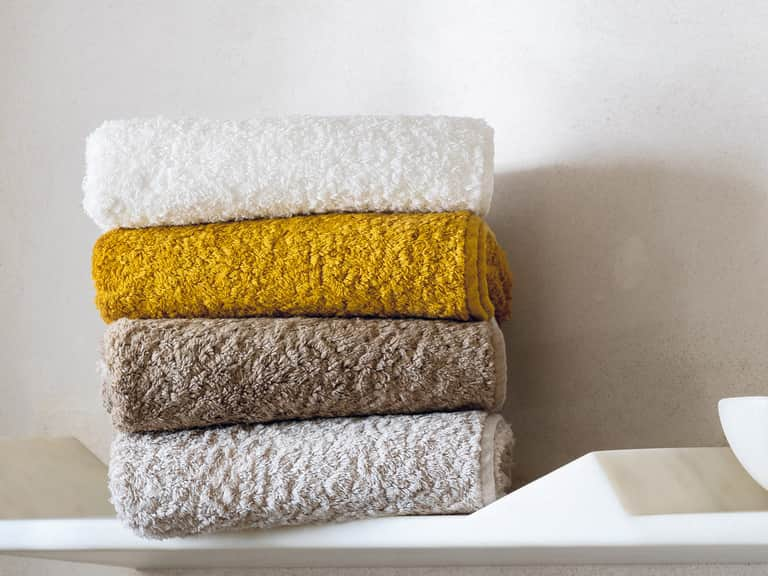
Fiber content sets the stage for how a textile feels and behaves, while the weave determines much of its surface and structure. Cotton is a familiar choice for kitchen textiles because it absorbs moisture and can be comfortable in the hand. Its performance varies, though: yarn size, weave density, finishing and fabric weight all influence how a towel handles water, lint and repeated use.
A flat or plain weave can be a sensible choice for drying glassware because its relatively smooth surface may leave less lint than a lofty looped fabric. A more textured weave can offer a useful grip for everyday wiping and drying. Neither is universally best. The right match depends on the task, and even well-made fabric needs correct laundering to preserve its performance.
Blended fabrics may combine properties from more than one fiber, but the details matter. A blend can feel different, dry at a different rate or require different care than a 100% cotton textile. Read the fiber content and follow the label; do not assume that every blend can take the same wash temperature, bleach or dryer setting. A specific care instruction is more helpful than a general rule based on the fabric’s appearance.
Texture deserves attention, too. A towel that feels very soft straight from the package may have been treated with a finish that changes after washing. Heavy coatings or excess fabric softener can reduce absorbency in some textiles, leaving a cloth that seems pleasant to touch but less effective at drying. If absorbency is a priority, keep the care routine simple and use products only as directed by the textile maker.
For shoppers comparing kitchen textiles, look beyond color and hand feel. Check the fiber label, construction, dimensions, hem and any special instructions. Reinforced edges can help resist fraying, while neatly finished seams are a sign that the textile has been designed to withstand handling. A durable item should feel fit for its job—not merely decorative on a hook.
Spills, stains and the case for quick action
Spills rarely arrive at a convenient time. Oil splatters during a quick sauté; coffee slips over the counter; a streak of tomato sauce lands where it does not belong. The faster a stain is addressed, the better the chance of removing it without resorting to harsher treatment. First, check the care label and use a cleaning method appropriate to the fabric and the type of stain.
Blot or lift excess material rather than rubbing a spill deeper into the weave. Rinse or pretreat as directed, then launder promptly. Avoid putting a stained textile into a hot dryer before checking whether the mark has lifted, since heat can make some stains harder to remove. If a stain remains, repeat a compatible treatment instead of increasing temperature or mixing cleaning chemicals.
Kitchen cloths should not be left damp and crumpled on a counter for long periods. Moisture can encourage unpleasant odors and make laundry less pleasant to manage. After use, allow a textile to dry safely or place it in the appropriate laundry collection. Keep used cloths separate from clean ones, and follow food-safety and workplace procedures wherever applicable.
Color can influence how a textile looks after repeated exposure to spills and washing. Darker or patterned fabric may disguise some marks, while pale cloth makes visible soil easier to spot. Neither approach replaces proper laundering. Choose a color scheme that suits the kitchen and the cleaning routine, and wash like colors together when the care label recommends it.
Frequent washing without a short, tired life
Kitchen textiles earn their keep in the laundry room. Repeated cycles can gradually affect color, softness, shape and seam strength, but a thoughtful routine can help reduce unnecessary wear. The care label is the best starting point because textiles that look similar may have different fiber blends, dyes or finishes.
Sort items according to color and care needs. Avoid overcrowding the washer: textiles need room to move so detergent and water can circulate. Use the recommended amount of detergent, since too much can be difficult to rinse away. Follow fabric-specific temperature guidance, and do not assume a hotter cycle is always better. If a setting or sanitizing method is needed for a particular environment, follow the relevant product and workplace instructions.
Fabric softener is not a universal must-have. On some absorbent textiles, residue may affect how readily the fabric takes up water. If a towel or cloth stops performing as expected, review detergent use, rinse quality and any added products before deciding that the fabric itself is the problem. Avoid bleach unless the label permits it; unsuitable bleaching can weaken fibers or alter color.
Dry textiles according to their labels. High heat may contribute to shrinkage, fading or damage for some fabrics, while drying a piece only partway can leave it unpleasantly damp in storage. Remove items promptly when appropriate, smooth their seams, and let them finish drying fully before folding. If line drying is practical, it can reduce reliance on a dryer, but protect colored textiles from prolonged direct sun if fading is a concern.
Make a habit of checking the small details. Frayed hems, holes, loose threads and thinning areas can signal that a textile is nearing the end of its useful life. For a towel used for ordinary drying, minor wear may simply mean it can be reassigned to a less demanding task. For heat-protective equipment, any damage that could compromise safe handling calls for a more cautious decision: replace it rather than improvising.
A simple rotation keeps clean cloths close
One of the most reliable kitchen upgrades is not a particular fabric; it is having enough textiles to rotate. When the only available towel is wet, stained or already in the laundry, the temptation to reuse it for one more job can be strong. A modest supply of clean, dry alternatives makes it easier to keep tasks separate and maintain a consistent routine.
For a home kitchen, start by observing how quickly towels and cloths become damp or soiled during a typical day. For a workplace, assess usage by shift, station and laundering schedule. The right quantity depends on activity, storage and how often clean laundry can be replenished. There is no universal number that suits every kitchen.
- Store clean textiles in a dry, protected location near—but not beside—heat sources.
- Use a designated collection point for soiled items to keep them separate from ready-to-use cloths.
- Keep task-specific textiles distinguishable through placement, color or an established routine.
- Replace items that are damaged, persistently stained or no longer suitable for their assigned use.
- Review the routine when kitchen volume changes, such as during holidays, events or a busier service period.
In shared kitchens, consistency matters as much as convenience. A brief, clear system helps everyone understand which textiles are clean, which need washing and which task each one is meant to handle. It does not need to be complicated. It simply needs to be easy enough to follow when the kitchen is moving fast.
Color and style can work alongside performance
Practical does not have to mean plain. Stripes, checks and solid colors can give a kitchen textiles a considered look while making different pieces easier to distinguish. A coordinated palette can soften a hardworking room, but a decorative detail should not get in the way of the textile’s job or its care.
When selecting color, consider how often the item will be washed and how visible fading or staining may be. Follow color-care instructions, and wash new colored textiles separately if the label recommends it. Small variations in colorfastness are possible across fabrics, so avoid assuming that a bright textile can be washed alongside everything else from the first use.
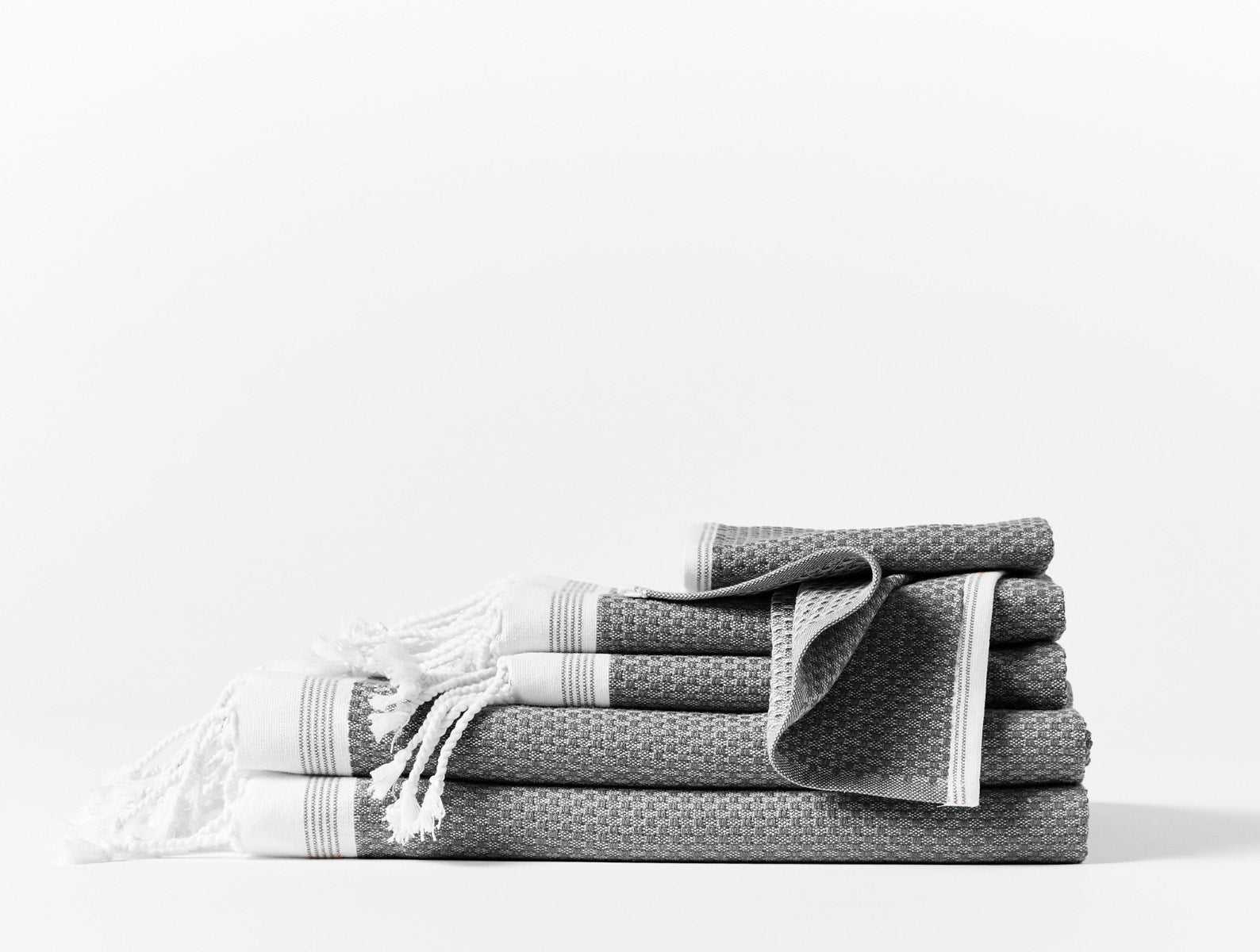
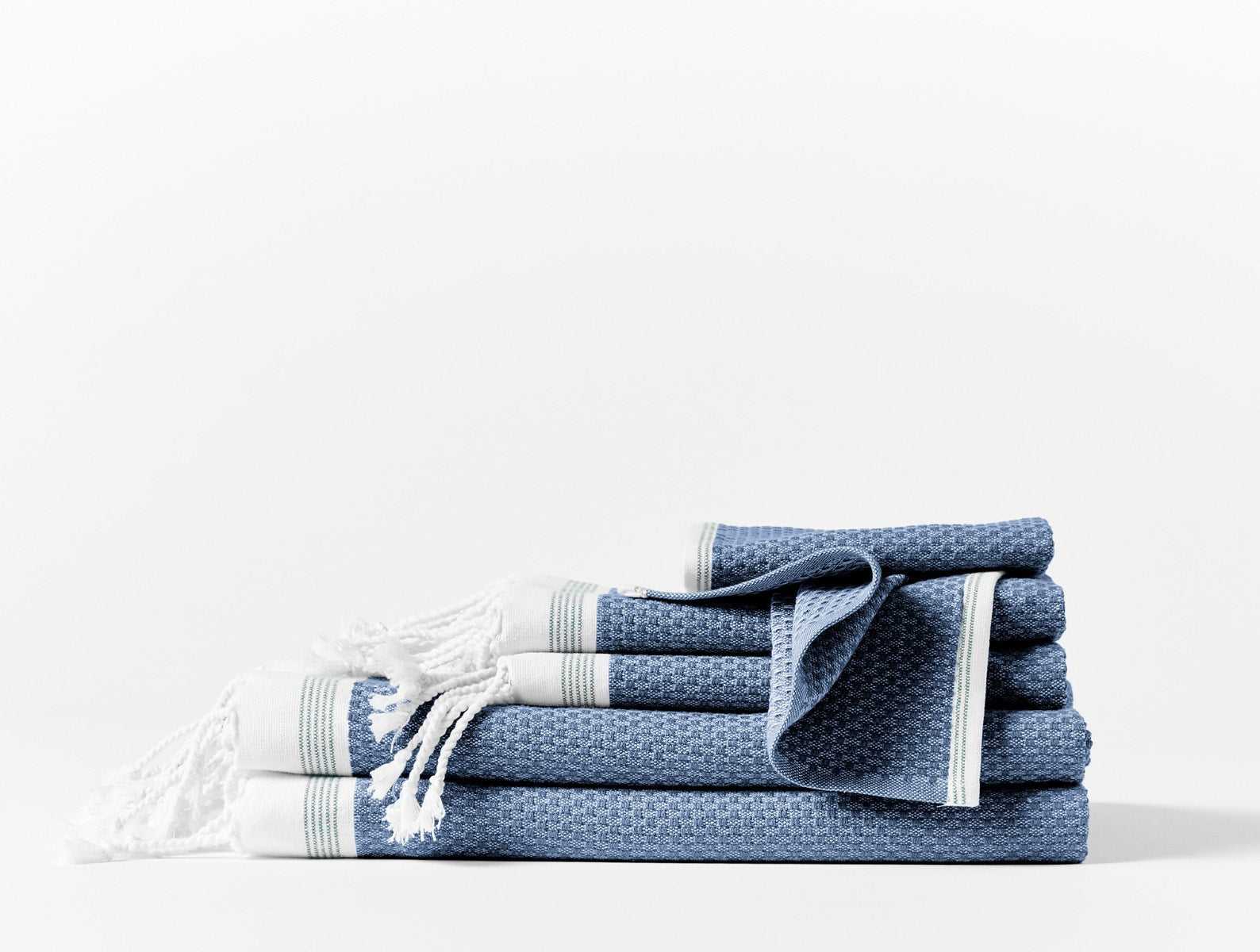
Construction details deserve the same attention as the overall design. Fringe, loops, ties and decorative borders can be attractive, but they may require particular care or be less convenient around equipment. For a busy work area, a straightforward shape with secure hems can make handling and laundering simpler. A home kitchen may allow more room for decorative choices, provided they remain easy to maintain.
A practical checklist before choosing kitchen accessories
When a new textile catches your eye, take a moment to match its features to the demands of the kitchen. These questions make the decision more useful than a quick judgment based on softness or color alone:
- What is its intended use? Drying, wiping, covering clothing and handling hot cookware are different jobs.
- What is it made from? Check the fiber content rather than guessing from the feel or appearance.
- How is it constructed? Notice the weave, thickness, hems and any padding or fastening details.
- What does the care label say? Confirm recommended wash temperature, drying method and restrictions on bleach or ironing.
- Will it work in the routine? Consider how often it will be washed, how quickly it needs to dry and where it will be stored.
- Is it still in good condition? Regularly inspect frequently used cloths and protective items for wear.
For commercial kitchens, also consider established hygiene procedures, laundry capacity and any applicable workplace requirements. A textile can be perfectly appropriate for one setting yet impractical for another. The goal is not to find a single perfect material, but to choose accessories that suit the tasks, volume and care routine they will actually encounter.
The bottom line: reliable textiles are chosen with care
Kitchen textiles do a lot of uncelebrated work. They absorb, wipe, protect clothing and help a kitchen reset between tasks. Their usefulness depends on more than the fabric’s first impression: material, weave, construction, intended use and laundering all have a part to play.
Choose purpose-made heat protection for hot cookware, and keep ordinary towels for the tasks they are designed to do. Look for clear fiber and care information. Give spills prompt attention, launder textiles according to their labels, and keep enough clean pieces in rotation. Most of all, retire any item that has become damaged or unreliable for its assigned job.
A kitchen that runs smoothly is rarely the result of one dramatic upgrade. Often, it comes down to thoughtful choices repeated every day: the right cloth for the right task, a clean towel within reach and a care routine that gives hardworking accessories a fair chance to last.
Frequently asked questions
Can a cotton kitchen towel be used to remove a hot pan from the oven?
A standard cotton towel should not be assumed to provide safe heat protection. It may be thin, damp or poorly positioned, and moisture can transfer heat quickly. Use oven mitts or pot holders intended for handling hot cookware, and follow their instructions.
Why might a towel become less absorbent after washing?
Residue from detergent or fabric softener, incomplete rinsing, or changes in the textile over time may affect how it handles water. Review the care label, avoid excess detergent and use fabric softener only when appropriate for the item.
How often should kitchen cloths be washed?
It depends on how a cloth is used, how wet or soiled it becomes and the kitchen’s hygiene routine. Replace a damp or visibly soiled textile promptly, keep task-specific cloths separate and follow any workplace procedures that apply.
What is the best way to make kitchen textiles last longer?
Follow the manufacturer’s care instructions, avoid overloading the washer, use detergent as directed and dry items appropriately. Inspect seams and fabric regularly, and replace pieces that are damaged or no longer fit for purpose.